Posts tonen met het label raw materials. Alle posts tonen

2010-05-09

Freesia lessons: a big frustration on purity

Well, perfumery can give you the greatest moments of pleasure when you smell a fragrance gently striking your emotions. But it also can be your greatest frustration when you can’t find a smell you are looking for. Learning perfumery gives you similar ambivalent feelings, but they seem to be stronger and occur more often.

Let’s take Freesia again. Well, I tried the smell of the sample formula from the PerfumersWorld. Nice, green, soapy clean, but it’s not a smell of a Freesia flower. Trying to improve it I made another version – less soapy and lees sharp in green notes, softer, but again… it’s not Freesia. And then a very simple solution – what if I just blend the materials found in the headspace of Freesia smell? About 15 drops of Linalool, 3 drops of beta-Ionone, 1 drop of alfa-Terpineoil and a drop of 10% Triplal as a green note (thanks to a perfumer from a perfumemaking Yahoo group for this wonderful idea). I was very surprised to smell a real Freesia flower very similar to the smell of a live flower, but… it lasted just for a couple of moments as later I smelled the harsh notes of linalool and alfa-Terpineol… So I faced a problem of quality of aromachemicals I used. The impurities making linalool harsh and alfa-Terpineol piney killed my Freesia accord. When you use those aromachemicals in a complex composition you can blur and mask the effect of impurities. But when you make a simple accord where those ingredients are crucial… you need the purest materials you can get.

The only problem here is the question – is it possible to find Linalool of such purity grade? Reading the description of Freesia from the PerfumersWorld I understand, that it looks like natural Linalool that occurs in Freesia is much more pure and radiant than a synthetic product available. Does it mean that there is no Linalool on the market that could concur the natural Freesia smell? It’s funny and frustrating. With the power of all the modern science and technology we can do many great things, we can precisely determine the components of the live flower smell, but we can’t reproduce it in the way the nature does using only earth, sunlight and water in less than a year…

Now I am sitting here and typing this message and by the random movements of the air I smell a real Freesia fragrance that is coming from a bunch of blotters with the residues of my experiments.

By the way, searching for information on Freesias I found an interesting discussion on Perfume of Life. Here is a quote: "In fact, there’s no freesia in any perfume in the world." -Chandler Burr. The full text you can read here: http://www.chandlerburr.com/articles/25tghost.html (you have to “download” the article to read it).

And for those who didn’t know yet – Nicole Kidman makes her own perfumes. Freesia was one she made. He doesn’t share the secrets of her craft, but you can watch two interviews where she mentions her hobby. In the first one it’s in the begin and in the last one at the end. Have fun!


2010-05-08

Freesia quest II: technical details on smell

See the first part about Freesia here

There is something very special in Freesia fragrance in perfumery – it doesn’t really has a “key” ingredient. Unlike eugenol for carnation or rose alcohols for rose or benzyle acetate and indole for jasmine. PerfumersWorld course mentions linalool to be that “key” for Freesia. But linalool is also a very common ingredient in many other raw materials – bergamot, rosewood, lavender to mention a few. It’s also often used in floral bases to give freshness. I guess it explains the problem of Freesia note in perfumery – consisting mostly of linalool it can easily become dominated by other components, loose its character and just turn into a fresh note.

To my nose the white Freesia I bought does smell like pure linalool with a peppery nuance. A perfumer in a perfumemaking group where Freesia accord was discussed also mentions that Freesia smells like linalool, but without a harsh part of it. A chemical analysis of the smell shows about 80% linalool to be the major constituent of live Freesia fragrance (it increases up to 90% in a picked flower).

Another important constituent of Freesia fragrance is beta ionone. It’s found at the amount of 3% in the fragrance of a live flower (together with 3.7% of dihydro beta ionone, 5,4% 4-oxo beta ionone and 2,2% 4-oxo beta ionol). Michael Storer also mentions that smell of beta ionone is very close to the smell of Freesia. I tried his suggestion and I can say it’s true – 1% beta ionone solution on the blotter start to smell very close to my colored Freesia flower in about 30 mins (but not right from the beginning).

Another important constituents of Freesia fragrance are Terpineol 4% and traces of green molecules (like cis-3-hexenyl butyrate and beta cyclocitral). So, it looks like the formula of Freesia is made of linalool with a little bit of beta ionone and traces of green nuances. A good point to start!

The sample formula from the PerfumersWorld produces very clean, fresh and green Freesia note. The presence of aldehydes and sharpness of green notes make it soapy. It would be a nice base to use in body care products. It can be also a good fresh room scent reminding on spring. But I guess I have to work on it a little bit and try to make it closer to the smell of the flowers I bought.

Freesia quest: smell and perfumes


Picture: Yellow Freesia Bloom found at teleflora.com

It was very exciting to receive my new unit from the PerfumersWorld – it was all about flowers – about 18 sample formulae to make, investigate and to play with, so I can learn to understand the soul of each of floral note in perfumery. The funniest thing I discovered that there are flowers I don’t know at all… like freesia.

Well, of course I’ve heard about it and met in pyramids, but… I’ve found I don’t remember how it looks like or how does it smell. That’s a good time to learn about this fragrance. And you know, Fortune always helps to those who follows their heart and is eager to discover. May be that’s why the next day I found folder from the local garden shop telling me they had fragrant Freesias on sale, so I went there to meet my housework and came home with two freesias – a white one and pink with yellow.

The first surprise was to discover that they smell different. The white flower has a fresh fragrance with peppery notes and the colored one smells very green – just like at florist shop – a mixed fragrance of plants, leaves and stems. It’s fresh and rather soft green unlike the sharp smell of fresh grass or crushed leaves. It’s funny to find how many varieties of flowers in shapes and colors it produces… and the tough thing is that the smell varies as well. So, what would be the reference?

PerfumersWorld in their course puts Freesia among “Light Green Floras” together with Muguet and Cyclamen. I also found that in one classification it was listed under the Tuberose-Narcissus group. Well to my nose it’s green, but less sharp than hyacinth and less poisonous than narcissus. I guess “light green” or “fresh green” would be the nice place for Freesia.

It’s funny to find that there is very little information on Freesia in perfumery books or magazines. Well, I can understand that – there is no essential oil or absolute available. Some sources mention that Freesia have been a fantasy bouquet in earlier fragrances. They also mention that it was used for extracts or as modifier.

Searching for Freesia fragrances I found that most of the soliflores called Freesia are made by brands specializing on Bodycare fragrances (like Crabtree&Evelyn, The Body Shop, Bath&Body Works) – I guess the freshness of Freesia note makes it very suitable for such products. But I also found a couple of niche Freesia fragrances – “Orfésia” van Diptyque and “Musc et Freesia” by E.Coudray. Fragonard, Borsari and Demeter also have their Freesia versions. Unfortunately I haven’t smell any of them, so it promises a lot of sniffing, discovery and surprises.

Browsing through the Basenotes discussions I also found the following fragrances might be interesting to try: Miracle by Lancome, Red Door by Elizabeth Arden, Rush by Gucci, Cerruti 1881 pour femme, Eternity by Calvin Klein, Kenzo Parfum d’Ete, So de la Renta, Beige van Chanel, Paul Smith Woman, Sun Moon Stars van Lagerfeld, New York Fling by Bond No. 9, Antonia’s Flowers, Pleasures by Estee Lauder, Allure by Chanel, L’Eau d’Issey by Issey Miyake, JPG Classique, Dolce & Gabbana Woman, Ralph by Ralph Lauren, Incanto Dreams by Salvatore Ferragamo, Balmy Days and Sundays by Inele. I haven’t checked those fragrances and it would be interesting to search for Freesia in them. But you are also welcome to share your experiences and suggestions.

Unfortunately I couldn’t find interesting facts or inspiring myths and legends related to Freesia. This flower seem to have a short history as it’s cultivated as a cut flower only since the begin of the XIX century. It was named in honor of Friedrich Heinrich Theodor Freese, a German physicial from Kiel. His friend, a plant collector Christian Friedrich Ecklon has proposed the name.

2009-11-11

Sharing my chypre experiment

Last time I was experimenting with a Chypre formula. The one from “An introduction to the perfumery” by Curtis. The original formula:
Bergamot FCF – 15
Sandalwood – 8
Vetiver (Bourbon) – 6
Oakmoss absolute decolorized – 5
Rose base – 6
Jasmine base – 5
Gamma-methyl-ionone – 3
Patchouli – 5
Musk-ketone – 3
Clary sage – 2
Neroli oil reconstructed – 2

Well, first of all I made a basic reconstruction of this formula using synthetic Sandal base and took just a couple of essential synthetics molecules for each of the mentioned bases (like PEA+citronellol+geraniol+rosone for the rose base). I also used a little bit of natural jasmine and rose absolutes as well as rose and neroli oils to brighten up the formula. Here there are conclusions I made before I’ll start on the second version:
- It’s very important to work separately on floral heart and balance it well before mixing with the chypre base.
- It’s also important to use naturals in the floral heart to make it strong enough to be able to compete against the strong chypre base (made off almost naturals only).
- Labdanum resinoide is in my opinion essential in a chypre – it gives a very soft ambery note and softens the oakmoss.
- I would be more careful with Clary Sage next time and may be even omit it.

Another interesting experiment was to create a natural chypre fragrance based on this formula. Well – it’s easy to think that you can just substitute the bases with the corresponding amounts of rose, jasmine and neroli oils and absolutes. But there is a problem – those precious and powerful essences and require very delicate balance – using just 6 parts of rose absolute and 5 part of jasmine absolute instead of rose and jasmine bases would result in a an "overrosed" accord. So, it’s very important to work carefully on the floral heart and balance it before mixing with the chypre base.

Methyl ionone is not an easy one to substitute with naturals – it is used not only as an iris-violet note, but also as a bridge between the woody and floral accords. Next to iris absolute or concrete there is also a Guaiac oil. It doesn’t smell like ionone at all, but it possess the function of the bridge between woody and floral notes. I used Guaiac oil with some Iris CO2 absolute.

Musk ketone can be substituted by natural musk or ambrette seed absolute. I only had ambrette seed tincture, so I used this one.

It was also interesting to create a “low budget natural formula” – to see if it’s possible to make a basic chypre using just the smallest amounts of expensive rose, jasmine and neroli oils and absolutes. For this formula I took just a drop of palmarosa and geranium oils (as a “rose” part), ylang-ylang oil (as a "jasmine" part) and petitgrain (as "neroli" part). I added some lavender oil to accompany the clary sage and geranium as well as some lime oil to accompany bergamot. Labdanum resinoide is really important chypre compound, so I added it too. Of course I used jasmine absolute, rose oil and absolute, neroli and iris CO2 just enough to add a finishing touch. Guaiac oil (as well as a touch of iris CO2) was used instead of methyl-ionone.

Well, my “low budget” formula was surprisingly pleasant. Definitely masculine, somewhat ascetic, deep and not cheap at all. It has character.

And there is something else I discovered about perfume. The better it’s balanced and the more natural ingredients are used the more intense is the emotional influence of the perfume. Like the last chypre I described – the feel of silence and restfulness filled me in at the moment I inhaled it.

P.S. Please, be aware of fact that amounts of oak moss used in this formula is higher than IFRA restrictions.

2009-10-13

Musk animals and plants

The Latin (originally Greek) word moschus and its derivatives in the name of an animal mostly refer to the strong smell, and often are translated as musky.

The word Moschus on the first place of a Latin name refers to a musk deer and indicates the genus of the species.

On the second place of a Latin name of other species the derivatives of the word moschus (like moschatus, moschata, moschatellina) refer to other (than musk deer) species possessing a strong smell and often related to musk..

Next to the Musk deer there are also other species called moschata or musky. They are:
Among animals: Aromia moschata – musk beetle; Cairina moschata – muscovy duck; Hypsiprymnodon moschatus musky rat-cangaroo; Eledone moschata – musk octopus; Sternotherus moschatus – musk turtle; Desmana moschata – Russian desman; Ovibоs moschatus - muskox.
There is also Chrysolampus moschitus, but I can’t find any information on what animal it might be. Probably it’s a musk bird. Nosotragus moschatus – this beast I couldn’t find also.
Among musky plants there are: Abelmoschus moschatus – ambrette seed; Fragaria moschata – musk strawberry; Adóxa moschatellína - Moschatel; Achillea moschata – Musk milfoil; Malva moschata – musk-mallow, Mimulus moschatus – musk-flower.
There is also a musky fungus - Fusarium moschatum.

Not all “musk” animals or plants called “moschata” are used to obtain musk. For example, no musk is obtained from the muskox. From other side there are also animals, which Latin name doesn’t refer to a musk animal, like Paleosuchus palpebrosus or Cuvier's Dwarf Caiman. This musky caiman is used to obtain musk. Or the muskrat Ondatra zibethicus.

Tonkin (or Tonqine) musk from the Tonkin musk deer is still the superior in quality and is preferred to other musk sorts.

2009-10-12

The reference for musk - natural musk

Image: Musk deer from Wikipedia (http://en.wikipedia.org/wiki/Musk)

Russian version - click here

As Octavian writes on his blog there are four types of musk – a natural musk obtained from the musk deer, natural musks from other animals and plants, synthetic musk molecules and musk fragrances. Each group can represent a certain musk reference with wide variations of standards within the group.

Natural musk – was one of the most used ingredients in perfumery. Arctander says that it’s not only a good fixative, but it cal lift and give life to almost any well balanced perfume. The importance of natural musk in perfumery can be seen in Poucher’s “Perfumes, cosmetics and soaps” manual where he shares formulae for single floral accords like rose, lilac, violet, jasmine, etc. For each soliflore accord he suggests a perfume that can be made from the floral accord by adding of some natural essential oils and absolutes, often ambergris tincture and almost always a musk tincture. It’s as if the formula of rounded floral perfume was = floral accord (or a combination) + corresponding naturals + ambergris (or it can be another animal component or orris) + musk. The last one is almost obligatory for any perfume as it comes back almost in each perfume formula in this book.

Musk is obtained from the male musk deer (Moschus moschiferus) and sometimes from other Moschus species or other animals like muskrat. It’s a secretion of an internal pouch in the abdomen. Although it’s possible to collect the pouch without killing the deer, it has been a common practice to kill the animal. About 70 000 male musk deers were killed annually to produce about 500 – 1500 kg of Musk. According to another source you need to kill 30 – 50 animals to produce 1 kg of Musk. And the demand for this product was growing despite the price that was twice its weight in gold. So in 1979 the Convention on International Trade in Endangered Species of Wild Fauna and Flora (CITES) and national laws protected the musk deer. High price, laws and regulations significantly restricted the use of natural musk in perfumery – you can’t find it anymore in perfumes. And many modern perfumers even don’t know what does natural musk smells like.

After extraction from the deer the musk pod was dried (to let its content to form the so called musk grains) and sold. Musk grains were used to prepare either musk tincture or musk absolute (via musk resinoid). The best quality was the Tonkin musk (obtained from Moschus tonquinensis), a musk deer species from China, Tonkin (an area corresponding with modern northernmost part of Vietnam) and Tibet. The smell of musk grains is referred as sweet, very persistent, animal-like and amin-like.

It’s very difficult nowadays to smell the real natural musk and use it as a reference. It’s still can be found in many (of not almost any) vintage perfumes. I have a sample of Musk Rose perfume made by a fellow perfumer who used natural musk in it. Of course, it’s difficult to distract a single (and unknown) component from a well balanced perfume, but I guess I have an idea what natural musk smells like and what it does in perfume. I guess it’s a part making me think about Musk Rose as a vintage perfume (although it’s not). I guess it musk gives a kind of depth, intensity and brightness to the natural rose accord making it warm, sweet and dark. It’s really painful for me to understand that I either should give up an idea of using such a beautiful raw material in perfumery or to accept the high price, problems with regulations and laws as well as moral dilemma and conscience-stricken of killed animals. Well, I guess I’ll try to follow the idea of Maurice Roucel in his Musk Ravageur who tried to reconstruct the wildness of natural musk from synthetic components.

2009-06-03

Muguet - could it be natural?


Image: Muguet by Guerlain (from Diane James homepage)

As I mentioned in my previous entry, the lily-of-the-valley odour in perfumery is made from the synthetic materials. Hydroxycitronellal is known in perfumery since the beginning of the former century. But how did perfumers make the muguet note before the synthetic era when almost all perfumes were made of naturals?


What naturals can imitate the smell of lily-of-the-valley? Well, jasmine smells close. And some perfumers mention that diluted ylang-ylang oil smells like muguet as well. I have tried a 1% solution of ylang-ylang oil in alcohol and indeed it has a resemblance with lily-of-the-valley. Cardamom is another ingredient used in muguet formulae.

Here is an example of lily-of-the-valley formula from an apothecary magazine from 1892:

Extract of jasmine – 200 g
Extract of ylang-ylang – 100 g
Alcohol 95% – 200 g
Powdered cardamom – 5 g

After two days of maturation of cardamom powder in alcohol solution of jasmine and ylang extracts, the blend becomes to achieve the resemblance with lily-of-the-valley odour.

Extracts are probably the alcohol tinctures of fragrant materials. For flowers it would probably be the pomade. But may be the ylang-ylang extract can be substituted by essence (a alcohol solution of ylang-ylang oil). I haven’t tried this formula yet, but would give it a chance as soon as I get the jasmine pomade to make an extract.

2009-06-01

Muguet - Hydroxycitronellal

Hydroxycitronellal is the synthetic Muguet. It posses a very fragrant fruity floral odour resembling the smell of lindenblossom or lily-of-the-valley. It’s not strong and is also a base note, so for the first time your nose might smell almost nothing from the blotter dipped in hydroxycitronellal. But the more you work with it the more intensive it gets – a warm, musky sweet, very fragrant and fruity floral smell. I have two samples of this aromachemical. One is from the PerfumersWorld and another one is from the Hekserij.nl. It’s interesting to notice that the sample from the PerfumersWorld has a touch of unpleasant bitter citronella-like top-note. Depending on surrounding materials this note can either disappear or give a disturbing citronella smelling nuance to the Muguet compositions (especially when mixed with low quality citronellol). But the aromachemical from the hekserij.nl is divine – almost like smelling a real flower.

This material has been manufactured and sold by Givaudan under the name of Laurine since 1906 and is the oldest essential building stone of the muguet note. But another sources mention the 1908 as a year when hydroxycitronellal was made by Chuit for the first time. Both can be true. Although it has some disadvantages (weak odour, stability problems, irritating effect on skin), it’s the best aromachemical reproducing the lily-of-the valley odour. The problem is that because of it rather weak smell it needs to be used in relatively high amounts to make a noticeable effect. But from another side it irritates the skin at high concentrations. IFRA has restricted the use of hydroxycitrobellal up to 1% in perfumes that makes problematic to use of high concentration of this aromachemical in fragrances at perfume concentration. But it is still enough to make a descent Muguet soliflore at EdT or even EdP concentration.

For the first time it was successfully used in Quelques Fleur by Houbigant (1912). The most famous is its use in Diorissimo – the Lily-of-the-Valley perfume. Hydroxycitronellal is used in the notes of muguet, lilac, lindenblossom, sweat pea, magnolia, hyacinth, but also as a modifier in many other perfumes.

2009-05-13

Allyl Amyl Glycolate

Image from: http://www.consumentenpagina.be


Allyl Amyl Glycolate is an aromachemical patented in 1936 and forgotten for almost 30 years till 1968 when it was used in Italian detergent at high percentage.

Later it was used in fine fragrances too – from trace amounts in Alliage by Esthee Lauder till 1% in Drakkar Noir by Guy Laroche and even 3% in Cool Water by Davidoff. Also used in Trésor, Eternity, Boss Elements Aqua. You can find it in Camay soap too.

When I smell it in 10% solution I do understand why this aromachemical have been forgotten for 30 years till 1968. It’s not love from the first sight fragrance. Smelling it carefully I can find candy fruitiness of pineapple note with sharp metallic undertone, sourness of apple cider and juicy flesh of a pear fruit. There is also a certain freshness in this molecule. And the sour, sharp, metallic note is very familiar – it’s like galbanum shell without its nice woody undertone. It feels very strange when you can smell only one aspect of a familiar smell (like a galbanum shell without its body). There is also another name for this molecule referring to its galbanum aspect – isogalbanate. Chandler Burr has described the smell of allyl amyl glycolate as “a combination of the smell of processed pineapple and the tin of the can it comes in”.

When smelled at 1% I could notice that allyl amyl glycolate becomes softer – the sharpness disappears although there is still a recognizable metallic note. The fruity notes become less candy-like and the green notes are more pronounced. On my skin the slightly synthetic smell of juicy fruity flesh of pear is the most prominent aspect of this aromachemical at 1% concentration. Later it turns completely into a juicy pineapple note. And it smells stronger on my skin than on the blotter at this concentration.

A combination of green galbanum note with a soft fresh sweet fruit gives allyl amyl glycolate a unique property to soften the harshness of green notes. For example, if I take lyral as a base for white flowers (Muguet) and add a drop of leaf alcohol to add green nuances, I see that leaf alcohol can be pretty dominating in this blend. But a drop or two of allyl amyl glycolate will tame the dominating greenness. It’s also interesting to add some Galbanum oil as well. In Vanderbilt perfume allyl amyl glycolate is used together with another pineapple fruity note (allyl cyclo hexyl propionate) to create a green fruity note connecting the heady fruity floral accord of orange blossom and tuberose with fresh citrus top notes.

Allyl amyl glycolate can be used from trace amounts till several percents in the formulae of fine fragrances. Although – the concentrations like 1% or 3% used in Drakkar Noir and Cool Water are considered to be high (what doesn’t have to be a problem when skilfully blended). This aromachemical goes well with green notes – leaf alcohol and its esthers, violet leaf, galbanum; citrus notes (a combination of fresh and fruity) – citrus oils, dihydromyrcenol; white floral components (fruity, spicy, narcotic, green) – ylang-ylang oil, muguet notes; musks and cashmeran, etc. The substantively is 6 hours (according to IFF, but the PerfumersWorld gives it 10 hours odour life). This makes allyl amyl glycolate primarily a top-note.

2009-03-25

Fragrant palette update

There are several new raw materials in my fragrant palette suitable for a leather accord:

Safraleine – is an aromatic molecule from Givaudan and is described as alternative to the spicy notes resembling the natural saffron with warm, powerful leathery and tobacco facets and rosy floral aspects. To my nose it smells exactly like leather – a very recognizable smell of a shoe store or leather department of a clothing store. For a good leather accord, safraleine is a perfect molecule to build around. The molecule is very versatile and can be used in spicy accords as well. Although the leather smell of the molecule is obvious, it can’t be used just on its own without support of Castoreum, Birch Tar, Patchouli, Quinolines and other leather building blocks. I was so in love to this note that I started making a “Rose in Leather” perfume around Safraleine. But I overestimated this aromachemical and didn’t support it well with other leathery notes. So, the comment from my perfumery fairy was: “Hmm, smells like a overripe cucumber.” But in the current, the third version of “L&R” is much more leathery. Fragrances containing Safraleine are, for example, Tom of Finland by Etat Libre d'Orange and Pi Neo by Givenchy.

Castoreum blend by Givaudan (aka Castoreum Givco 116). It is s a mixture of aromachemicals made to substitute a natural Castoreum. It has a sweetish odor of decay with animalic and leathery undertones. It’s a perfect background for a leather accord reminding about the true origin of leather. Attractive and repulsive at the same time in its pure form it turns sweetish warm, musky, slightly spicy when diluted and becomes a good fixative for leather, tobacco, chypre and fougère accords. Perfectly supports Safraleine and extends tobacco absolute.

Tobacco leaf absolute. In its pure form it’s a thick dark brown semi-solid mass – a difficult one to use. Fortunately it dissolves good in alcohol that makes it easier to use, although it keeps its dark brown color and powerful odour, so you can’t use too much of it in perfumes. The smell is very close to cigar-tobacco – like you put your nose into a bag with hand-rolling tobacco. It’s reach and honey sweet with leather aspects as well as intensively herbal with warm spicy nuances. It gives fullness to leather accords, enriches and gives naturalness to tobacco accords and brings interesting nuances to fougères.

Guaiac wood. Well – I have written about it recently. What should I add – indeed it becomes liquid when heated in hot water, but it hardens quickly by cooling down – this is in contrary to what Wikipedia says. I made a 20% solution in alcohol that forms a clear liquid without lumps. I am still fascinated by its combination of smokey note with dry plums. I even find that it shares some herbal fruitness with tobacco leaf absolute too. I think I’d use it in my “Rose and Leather” version four as a good bridge between leather and rose.


2009-03-23

First time Guaiac oil

Today I've got a package with some essential oils. One of them is guaiac oil. The only essential oil that is solid at room temperature. It is obtained by distillation of wood snips of Guaiac wood from India.

Well, it looks a bit like snot. But it smells wonderful - like smoked dried plums. The fruity notes are reminding those from rose essential oil or jasmine absolute and also osmanthus. In perfumery it's used as a good fixative in rose formulae. A warm summer evening, smell of open fire, dried fruits delight served in a garden, exotic decorations, regularity, quietness and warm friendly conversations till the midnight.

I am really wondering how you can use this oil... Wikipedia says that it smelts at 50 degrees and remains liquid for a long time after it cools down again. We'll see...

2009-02-13

Rose III: the finishing touch


Russian version - click here

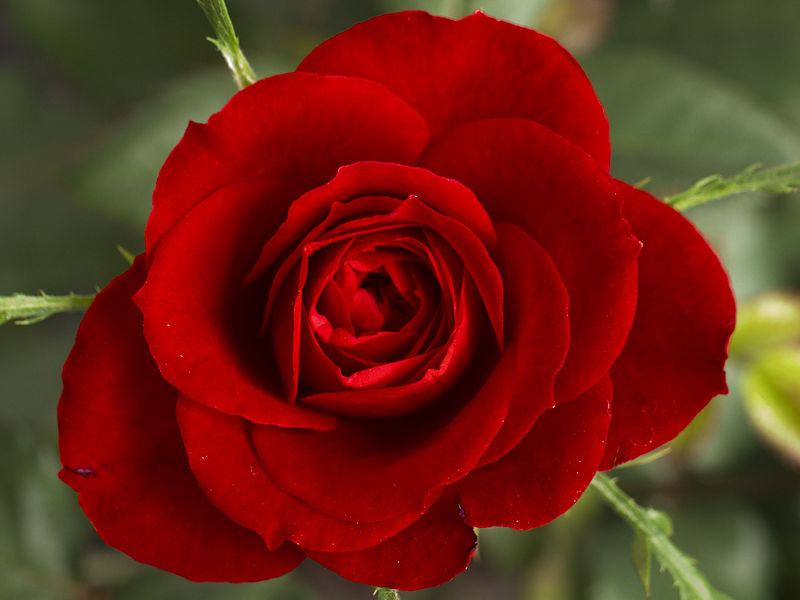
Image - a small red rose from Wikimedia

The introducing or rose alcohols to the first rose formula, hopefully made it softer, more floral and more rosy. But may be also more citronella like – depends on the quality of the rose alcohol used. There are some other important aromachemicals that might give this rose a finishing touch.

Rose oxide – is a very important aromachemical. Naturally less that 0.5% of this chemical can be found in a rose oil, but because our nose is 80 times more sensitive to it compared to citronellol, the influence of Rose oxide is comparable to that of citronellol. Commercial product consists of different isomers and may vary in purity grades. If you smell it even in 10% dilution you probably never link this gassy smell to a rose. Books says that the rose or geranium like odour can be noticed by extreme dilution or when used in a rose accord in low concentrations. The change rose oxides makes to a rose accord is subtle but noticeable. Use 0.5% or less in the rose accord and try to smell the difference.

Rose crystals or Rosone – is an nice fixative for a rose. It has a very difficult chemical name – trichloro methyl phenyl carbinyl acetate that you can find in some rose formulae. Also known as Rosatol, Rose acetale, TCMBA (guess where this comes from), Rosacetate, Rosalina etc. This one has a weak rosy odour with green nuances. It smells like “another variant of PEA” and you tend to underestimate this material as at first it may seem to have little or no influence to the rose compositions. The best is to compare the smell of pure PEA with a smell of PEA with 5% of Rose crystals added. Comparing two smelling strips I found that Rosone enriches the smell of PEA making the rosy smell more prominent and powerful. So, 2-4% of the rose crystals in the formula can give power to the rose and make it more long lasting. As I already have mentioned before – Vetiver oil, Guaiacwood oil and Cedarwood oil may also be used as fixatives in rose accords.

Beta-Damascenone – another very important rose chemical. Naturally it occurs in a rose oil at about 0.14% concentration. But the human nose is 55 times more sensitive to beta-damascenone compared to the rose oxide. Or 4400 times compared to citronellol. Thus, beta-damascenone makes almost 70% of the rose smell. This is an expensive aromachemicals that restricts it use in perfumery. You don’t find it in often in the rose formulae. A similar aromachemical Damascone (especially beta) may also be used, but it’s still expensive. It has a pleasant fruity floral odour recalling the smell of plum or a bit blackcurrant. I never compared damascones and damascenones, so, I don’t know if beta-damascone reaches the same effect in a rose as beta-damascenone, but 0.05 – 0.3% of it brings a nice fruity nuance to a rose accord.

Aldehydes and alcohols – waxy fatty notes of aldehydes finishes the top note of the rose smell giving some nuances of fatty rose petals of the fresh flower. Different aldehydes or alcohols might be used for that purpose (C8 – C12) in concentration of 0.01 – 0.2%.

Rosalva – is an unsaturated alcohol with ten carbon atoms (but don’t confuse it with Alcohol C10). This is an aromachemical with a rosy odour and fatty waxy nuances. Good to combine with aldehydes. To my nose possesses a harsh metallic note, but I haven’t found it back in a rose accord. Nice finishing touch to a rose.

Green notes – are also very common in rose accords. The simplest two are the leaf alcohol (cis-3-hexenol) and PADMA (Phenyl Acetaldehyde Dimethyl Acetal). The first one has a green fresh smell of a grass and the second one recalls a more sharp radish-like smell of arugula (rucola, rocket). One of them or both can be used to give some fresh nuances of green notes. Leaf alcohol is stronger than PADMA and should be used in lower concentrations – 0.1-0.3% for leaf alcohol and 0.2-1% for PADMA.

Naturals – are the best enhancers of almost any perfume. Rose oil and absolute are widely used in the rose accords. But a cheaper Geranium or Palmarosa oil is also a common natural constituent in a rose formula. Should be used up to 1-2%. Sometimes less sometimes more.

Well now our rose formula consists from about 15 ingredients. And this is a nice number for a good rose base. Enough space to play. Enjoy!

2009-02-12

Introducing the rose alcohols


Russian version - click here

Image: a picture of a nice rose alcohol from http://www.craftdistillers.com

Rose alcohols are Citronellol, Geraniol and Nerol. They are major constituents of the rose oil and important aromachemicals in making of a rose accord (commonly used together with phenyl ethyl alcohol). A rose oil contains about 30-40% of citronellol, 20% of geraniol and 5% of nerol.

A rose accord formula may contain various proportions between PEA, citronellol and geraniol. Nerol is less common, but still widely used in rose formulae. Even the natural raw materials contains those materials in different proportions. The rose oils contains about 1% PEA, 35% of citronellol and 20% of geraniol that brings us to 1:35:20 ratio. And the absolute contains about 40-70% PEA, 6% of citronellol and 3% of geraniol that makes the ratio looks like – from 13:2:1 to 23:2:1.

If I see the 13:2:1 ratio I get an idée that the previous formula consisted of 15 druppels PEA can be enriched with 2 drops of citronellol and 1 drop of geraniol. And the amount of those alcohols can be gradually increased till I get the more rosy smell. In general the average amounts of those aromachemicals used in rose accords are – 20-60% PEA, 5-35% citronellol and 5-20% of geraniol. But the problem is that when you use rose alcohol you can get an unpleasant citronella nuance that you don’t really smell in a rose flower. Let’s have a closer look at those chemicals.

Citronellol – its smell is described as a fresh floral clean rose. But wait – I do smell citronella undertone. It’s time for some chemistry. Citronellol is a molecule that has different isomers (the compounds with similar chemical formula, but different structure). Citronellol has alpha and beta isomers and also so called stereo isomers. The first ones are a bit less important, but stereo isomers are much more interesting in perfumery – because of their structure they look like right and left hand – almost the same, but still not superposable – they are a mirror image of each other – they are called d-citronellol and l-citronellol (you may also find them as (+)-citronellol and (-)-citronellol). If you like more information on stereo isomers, please, visit a Wikipedia link - http://en.wikipedia.org/wiki/Enantiomer The d-citronellol is found to be a natural compound of citronella and ginger-grass oil. l-citronellol is a major compound of a rose oil. Both occurs in geranium oil. As aromachemical you can buy either citronellol (that contains of both l- and d- isomers and called racemic) or l-citronellol. Although the most properties of stereo-isomers are the same, the perfumery books say that l-citronellol is sweeter than racemic, has clean rosy top note and has no “mint” notes. But there is another factor that is responsible for the smell variations of different citronellols bought by different suppliers. Citronellol can be obtained by different ways – some of them gives a better quality products containing almost no impurities and other ways give citronellol of a lower grade with more impurities contributing to the smell. For example, racemic citronellol can be obtained from citronella oil by hydrogenation of geraniol component. If it’s not purified properly, you may get some other citronella constituents in citronellol. The purest citronellol is obtained chemically by reduction of citronellal. So, if you can get citronellol from different supplier – it’s important to compare the quality of their products and to choose the good one.
Citronellol can be used in rose (red and white), lily, lily of the valley and other floral accords.

Geraniol is another rose smelling aromachemical with fresh mild sweet rosy odour and dry rose-petals undertone. To my nose it reminds a bit of dried rose hips. Sometimes you can also catch some citronella notes. Geraniol occurs naturally in many essential oils like Geranium, Rose, Palmarosa, and Citronella and can be isolated from the last two oils. But it can be also made synthetically from Citral. Thus, the quality of Geraniol may also vary depending on impurities. For examle, Geraniol from Palmarosa oil is preffered to the one from Citronalla oil.

Rhodinol is the most complicated aromachemical as the word Rhodinol is used to describe a whole group of chemicals. In the first place this name was given to an impure compound isolated from rose otto. Latter it becomes a kind of synonym to the rose alcohols derived from essential oils. For example, l-citronellol isolated from Geranium oil can also be sold under the name of Rhodinol. Rhodinol C or Rhodinol ex Citronella mostly refers to a purified Citronellol from Citronella oil. Rhodinol coeur or Rhodinol ex Geranium refers to a mixture of rose alcohols from Geranium oils. Rhodinol can be found in various rose formulae – it’s used as a substitute of rose otto, geranium oils or as citronellol or rose alcohol mixture. It’s very important to collect information on Rhodinol from the supplier and figure out what kind of Rhodinol he is selling. And of course – it’s useful to compare the quality from the different suppliers.

If I compare my Rhodinol ex Citronella from the Perfumers World with Citronellol (also from the Perfumers World), I’d say that I definitely smell some Geraniol in Rhodinol, so it’s not a higher grade of citronellol, but a mixture of rose alcohols. And they both has unpleasant citronella nuances to my nose. So, I think I need to compare the suppliers and to search for a better quality.

2009-02-11

Making of a rose accord: the beginning


Russian version - click here

Image - dried roses to illustrate the PEA odor found on http://www.your-healthy-gardens.com/drying-roses.html

Phenyl ethyl alcohol (PEA) is one of the most famous and important aromachemical possessing the rose odour – soft sweet rose with green notes recalling a smell of dried rose petals. It naturally occurs in rose absolute (making 40-70% of it). However the rose oil has almost no phenyl ethyl alcohol – just several percents. Phenyl ethyl alcohol in perfumery is widely used in many floral compositions – rose, lily of the valley, jasmine and many others. A rose formula can contain a huge amount of PEA – in some cases it can be the only rose-constituent like shown in a formula below.

The foundation perfumery course form the Perfumers World suggests a simple rose formula based on phenyl ethyl alcohol:

PEA – 15
Methyl ionone – 3
Clove oil – 0.5 (or Eugenol - 1)
Cedarwood oil – 1

This formula is a part of the foundation perfumery course - you can follow it free of charge at the Perfumers World.

Let’s see the role of other ingredients.

Methyl ionone is an iris or violet smelling chemical. It doesn’t occur naturally in rose, but there is another aromachemical with a similar smell that is a natural rose oil and absolute constituent – beta-ionone. There is only 0.03% of it found in a rose oil, but even such a tiny amount of beta-ionone contributes significantly to the rose odour. Our nose is very sensitive to beta-ionone almost 100 000 times more sensitive than to phenyl ethyl alcohol. Because of that even 0.03% of beta-ionone makes about 20% of the rose odour. More information on that interesting fact can be found at http://www.leffingwell.com/rose.htm
Methyl ionone and alpha-ionone can be used in rose formulae instead of beta-ionone. Methyl ionone has a woody undertone that makes it a perfect bridge between the woody notes and florals (especially red flowers).

Eugenol or clove oil (can contain up to 90% of Eugenol) gives the rose a spicy note. A similar aromachemical – methyl eugenol naturally occurs in a rose oil together with eugenol itself.

One drop of Eugenol can be used instead of 0.5 drop of Clove oil. Both are used to bring a spicy note to the rose accord. Too much eugenol makes the rose smell not only spicy, but also old, dry and a bit dirty – think of dried roses and cloves.

Cedarwood oil is a fixative for the rose accord. Another woody notes can be used like Sandalwood, Vetiver, Pathouli or Guaiac oils.

When I made a rose accord by this formula I was very disappointed by its smell. Nothing like a real rose. Of course I could expect that a rose accord made from four aromachemicals can not smell like a real rose consisting of about 350 ingredients. But it still can be a part of a more complicated rose accord. And some formulae shows that a nice rose base can be made of 10-20 ingredients. So, the next step is using of the rose alcohols to give some freshness to a drying rose.

2009-01-09

Jasmine: another couple of formulae


Russian version: click here

This is a practical illustration of a previous entry

I found a couple of jasmine base formulas (N1032 and N1033) and also a jasmine perfumes made from those bases (jasmine N1034). Unfortunately I don’t have all of the listed compounds. But improvising in perfumery is something you have to learn from very beginning.

Forlmula 1032. Colourless jasmine (bye-bye indole).

The core is amyl cinammic aldehyde and benzyl acetate (the jasmine radish) is diluted with linalool (making jasmine more fresh), phenyl ethyl alcohol (making it softer) and hydroxycitronellal (making the jasmine whiter and more watery). Diluted jasmine was smelling more lily or muguet like. But fortunately there is geranyl acetate (strong rosy pear) that can restore the strength of jasmine. A couple of drops of creamy fruitiness from peach aldehyde makes a modest sweet fruity jasmine with lack for indolic narcotic depth. But no indole in this formula – it should stay colourless. Ylang and cresol ethers should give some narcotic nuances. But para-cresyl phenyl acetate is used in the formula while I have only para-cresyl methyl ether. They are not really interchangeable and the aromachemical I have doesn’t posses the phenolic honey note, but I can compensate it with a drop of pehnylacetic acid – a famous phenolic honey note in perfumery. Ylang-ylang oil and para-cresyl methyl ether gave narcotic depth, but I still prefer the way indole would have done that. A finishing touch is a spiciness from ethyl cinnamate. I don’t have it, so I’ll use methyl cinnamate. That’s all.

As a result I get a clear almost colourless liquid (as it was promissed). This jasmine scent has striking fruity nuances and some lily-muguet elements. This jasmine posseses some fresh nuances, but in general it’s really heady and intensive. A drop of vanilla and amber and another floriental is born. There is a narcotic note, but less obvious as in live flower. I do miss indole here. The fruitiness of benzyl acetate is not sharp, but very sultry – it enfolds you like a doft warm shawl that can almost suffocate you. Let’s call it oriental lily of the jasmine.

Jasmine 1033.
I do have even less compounds or alternatives for this one. Improvising again. Or better say – always improvising. This formula uses some expensive naturals such as orris concrete and jasmine absolute.
The core is again a mixture of amyl cinnamic aldehyde and benzyl acetate. The jasmine radish it is. To dilute it the phenylethyl alcohol is used together with hydroxycitronellal. No linalool this time. And I’d say that without linalool this jasmine at this stage is much more muguet than the previous one. Methylionone is used here. Wow – adding a violet-iris component to jasmine sounds like something add and forbidden. And the result is also strange – meet the jasmine violet. Orris concrete does not help. But I remember, that the oil of ylang is very good in taming of ionones. And yes, after a couple of drops of ylang-ylang oil it finally smells jasmine. This formula uses indole that I have added with pleasure enjoying its narcotic depth. But than I had to use benzyl phenylacetate. I don’t have it and neither have heard about it nor smelled it. A book told me that it possesses a faint floral aromat and is used as a fixative. The only more or less close alternative I can think is benzyl alcohol. And may be a drop of honey again in form of phenyl aceteic acid. As a spicy component this formula suggests a carnation base. Well, eugenol with iso-eugenol would do the job. And unfortunately I did put too much of them – needed a better calculation work. Sorry, jasmine, you’ll become a spicy one.

The result is a spicy (be careful with eugenol next time) jasmine with a striking fruity note again and some lily and muguet elements. The deep indolic narcotic nuances are present, but they can’t compete with the strength of jasmine fruitiness.

Both of those jasmine formulas are suggested to be used to make a jasmine perfume 1034 by adding some naturals like absolutes of jasmine, rose and orange blossom. Natural tinctures of musk, amber and a drop of civet are used to create the base for this perfume. Unfortunately I don’t have the last naturals – only synthetic substitutes.

2009-01-08

Jasmine: meet ACA


The further development of jasmine formula with amyl cinnamic aldehyde

Russian version: click here

Creating of jasmine scent in perfumery was no longer an attempt to recreate a natural jasmine absolute since the new aromachemicals were found. Most of them were purely synthetic and not found in nature.

In 1922 amylcinnamic aldehyde (ACA) was synthesized. At first it was not recognized as aromachemical. Its smell was not unpleasant, but it was not really a pure jasmine. Later someone found that the smell of diluted ACA has a jasmine character. Under the name of Flosal amylcinammic aldehyde entered the perfumery. It’s also known as Jasmonal or jasmine aldehyde. Its other names are Buxine (Givuadan) and Mahonia (Firmenich).

The smell of ACA is described as oily-herbal with floral nuances of jasmine, gardenia or tuberose. In its pure form it reminds me of a soap because of its waxy aldehydic smell with a kind of mushroom nuance (oh yes, there are also mushroom nuances known among the jasmine-gardenia-tuberose family). I do recognize its floral character, but rather the one of gardenia than of jasmine (may be because of mushrooms on the background).

Amyl cinnamic aldehyde has a smaller brother – hexyl cinnamic aldehyde (HCA, Jasmonal H). They have a similar smell, but HCA has more prominent floral nuances and is more pleasant than ACA.

Amyl and hexylcinnamic aldehydes are considered to be safe for use in perfumery as they didn’t cause any problems by a skin application on volunteers in the concentrations of 6% and 12%.

The combination of amylcinnamic aldehyde with benzyl acetate (the highly concentrated jasmine fruitiness) is used as a core of numerous formulas of jasmine compositions. ACA is not only taming the sharpness of benzyl acetate, but also fixing the jasmine smell. But the jasmine character of ACA comes out only in a diluted aldehyde. That is why it should make not more than 10% of the formula. In its pure form the mixture of benzyl acetate and ACA smells like a kind of jasmine radish.

To “dilute” the jasmine core the “all floral extenders” like linalool and linalyl acetate are used together with hydroxycitronellal (“all white floral extender”) and phenyl ethyl alcohol (a rose smelling aromachemical that reminds of dried rose petals). Modern muguets like Lyral and Lilial are used now instead of hydroxycitronellal.

Methyl ionone (violet-iris) may also be used to tame the sharpness of benzyl acetate. It sounds a bit strange to use the violet within the jasmine formula. Eugenol or Carnation base are used to give some spiciness. Either peach or strawberry aldehydes are used to give some creamy fruitiness to jasmine. Indole or methyl anthranilate are giving a narcotic note to jasmine, but they are not easy to use. First of all, because they are relatively active compounds and because of the possibility of discoloration. Cresols might be used as alternative. Ylang-ylang is the most popular and almost irreplaceable natural component of jasmine scent.

Those are know-how to create jasmine scent in perfumery in the middle of XX century. Before the times of Hedione when jasmones were still too expensive. But this is just theoretical knowledge. But perfumery is an art of creation. I am very curious what kind of jasmine scent can be made following those guidelines. Tomorrow I'll tell you what it was to make a jasmine following the formilae based on those recommendations.

2009-01-03

Jasmine: chemistry of smell II


Russian version - click here

Image - illustrates that indole is found in jasmine buds in a binded form releasing after the opening of the flowers.

Of course I was joking when promising to describe all of more than 300 constituents of the jasmine fragrance in detail. Nobody would be interested in a boring list of chemicals. Only experienced perfumers might find some fun in going through all those materials searching for some new solutions for the jasmine formulas. But the components I have described previously are already giving a good view on the chemistry of the jasmine fragrance. But perfumery didn’t stay still since 1912 and it might be interesting to mention some more compounds of jasmine absolute discovered since than.

First of all it’s interesting to notice that the chromatographic analyse data vary and sometimes show the significant dispersion. For example, the content of benzyl acetate may vary from 2% to 30% (and never reaches the 65% mentioned in a formula from 1912); linalool varies from traces to 9%. Other compounds may also vary depending on the variety of jasmine, place of growth, harvest, method of yielding etc. It’s amazing that nature can play with the different formulas and still make the variety of the same jasmine fragrance.

The presence of indole in jasmie was questioned for awhile as it couldn’t be always found by analytical methods. Finally it was found that indole in jasmine flower is present in a binded form and is released after the buds are open. This process continues also after the flower is picked. That means that you can’t find free indole in the jasmine buds, but you can smell it when the flower is open. It also means, that the jasmine absolute yielded by mean of enfleurage would be the richest in indole as the flowers are releasing it for the whole 24 hours period while placed in a frame. But when extraction is applied, the flowers stop to release indole as soon as they are covered with solvent.

Phytols (phytol, isophytol and their esthers) are another interesting compounds. As benzyl alcohol, they are odourless, but found to work as fixatives in jasmne fragrance. Experienced perfumers are aware of this property and use it in their creations sometimes.

Another interesting component is a phenylacetic acid. It’s content varies from 0% to 16%. This aromachemical is also widely used in the honey accords. In a diluted form it possesses a warm honey note with animalic nuances of civet.

A spicy clove smelling eugenol (common compound of clove oil) and fresh green grass smelling cis-3-hexenol (leaf alcohol) and its ethers are also found in the jasmine absolute.

It’s also interesting to mention the presence of cresol – a compound with a chemical smell of phenol. Its ethers are used in perfumery in narcotic tropical flowers accords. There are also quinolines found in jasmine. Famous as a components of leathery accords they are also used in some floral formulations.

Well – those are another components of jasmine absolute and they all might be used in the modern jasmine formula to give nuances or to achieve desired properties. But the perfumery is an art and not the science. Perfumery didn’t follow the way of chemical reconstruction of absolute. But the were some aromachemicals made that possessed the jasmine odour but were not found in nature. Those chemicals are now used in jasmine formula next to the ones found in jasmine absolute.

2008-12-30

Jasmine: first formula


Russian version - click here

Image: a sample jasmine formula made from synthetic components by AromaX

It’s interesting to notice that the first formula of a jasmine base seemed to be an attempt to reconstruct the jasmine absolute. It has was build from the same components in the similar proportions as it was known about hundred years ago. Here is the formula I found in a perfumery book. Its name is Jasmine base No.1:

Benzyl acetate – 130 (65%)
Benzyl alcohol – 40 (20%)
Linalool – 20 (10%)
Methyl anthranilate – 10 (5%)

There are some reasons why you can’t see cis-Jasmone and Indole there although they make a part of jasmine absolute formula as it was known in 1912. cis-Jasmone was synthesized in 1932, but it was a very expensive synthetic material. Even now it’s four times more expensive than ylang-ylang oil or ten times more expensive than lavender, bergamot or basil oils.

The biggest problem of Indole is discoloration. Exposed to light it acquires reddish brown colour and is often substituted with other components. Without Indole this jasmine base has a larger application spectrum.

So far I don’t have any suggestions why linalyl acetate is not used there.

The Jasmine base No.1 is not really a jasmine – it’s a jasmine giant. Smelling it is like standing in the middle of a giant jasmine flower covered with a sticky and acrid nectar. The sharpness of benzyl acetate is almost hurting the nose’s mucous membrane. The base has recognisable fruity floral character of jasmine, but recalls an urge either to dilute it or to smell it from far far away. It still can be used as a jasmine component of a complex fragrance.

To me it was a challenge to experiment with this base and to try to make it more close to the jasmine absolute formula from 1912. I did noticed that:

Linalool increases the freshness of the base, but can’t beat the sharpness of benzyl acetate unless you take too much of linalool. But than it totally kills the jasmine character of the base.

Linalyl acetate in combination with Linalool gives an interesting fresh note reminding me of the tannic bitterness of green tea. Is also easy to overdose, because at the certain concentration it becomes an independent note that doesn’t makes a part of jasmine anymore.

cis-Jasmone – is a nice material that tames the sharpness of benzyl acetate. But not its strength. The base loses its acridness and the giant jasmine becomes smaller. Although it still remains to be a mutant jasmine, it’s not the raptorial flower anymore that stupefies you with its smell and digest your flesh with its acrid nectar.

Indole – it was interesting to notice, that small quantities of indole couldn’t really compete with benzyl acetate. And it was easy to overdose. Although this aromachemical gave some idolic properties to the base, it couldn’t really blend with the rest into give a dark narcotic note of jasmine.

After a small make-over the base became more tempered. Although it still wasn’t a real jasmine flower, but rather a decaying mutant flower as big as my hand. The notes of linalool with linalyl acetate as well as indole were not completely blended into the jasmine smell.

Some synthetic materials could help me to tame the beast of benzyl acetate, but I did want to stay close to a jasmine absolute formula from 1912. So, for some finishing touch I decided to use some naturals.

One drop of Bergamot oil was a nice blender for linalool and linalyl acetate. And two drops of Ylang Ylang oil helped Indole to feel home and also tempered benzyle acetate. I am satisfied with the final result. Of course it’s not a jasmine soliflore, but it is similar to some jasmine perfume oils and it can be a jasmine base in a floral heart of a complex perfume giving it a fruity floral jasmine nuances. Of course, the use of some modern aromachemicals could help to improve this formula in a much easier way.

2008-12-29

Jasmine: chemistry of smell


Russian version - click here

It’s amazing what science did with our world. Sometimes I think that the modern analytical methods are developed enough to solve any mystery of Mother Nature. Even such a ethereal substance as fragrance can be separated into the molecules. But the wisdom of our Mother Nature is still inconceivable and too sophisticated in all its appearances. For example, there are more than 300 constituents of jasmine oil found, but still no one managed to reconstruct the natural jasmine absolute that would match the natural product by smell and by composition. Not in a hundred years…

In 1912 the following jasmine oil constituents were known:

Benzyl acetate - 65%
Linalool - 15,5%
Linalyl acetate - 7,5%
Benzyl alcohol - 6%
Jasmone - 3%
Indole - 2,5%
Methyl anthranilate - 0,5%
Phenol compounds with narcotic odor – traces.

Whay are they? Let’s have a closer sniff:

Benzyl acetate – hyperconcentrated jasmine fruitiness at a toxic dose. Very sharp and strong, reminding of a solvent (like a nail polish removal). It’s not unpleasant. In contrary, its sweet jasmine floral fruitiness is nice, but there is just too much of it. It’s also referred as a fresh. Indeed it is, but only in small concentrations. Undiluted it’s a beast that nature could tame within the jasmine fragrance. The perfumers have also succeed in taming of benzyl acetate, but still cannot compete with nature as they can’t use it in the concentrations as high as it’s found in natural jasmine absolute.
In perfumery benzyl acetate is one of the most common (and cheapest) aromachemical used to create a jasmine-fruity note not merely to jasmine, but also to gardenia, muguet, lily and fleur d’orange.

Linalool and linalyl acetate. Linalool possesses a fresh floral fragrance with woody undertone. It’s the major constituent of the rosewood (about 80-97%) and has a similar smell. It’s impossible to define it’s floral component as it could be any flower. Linalool can be found within the composition of numerous flowers, fruits and herbs. Lilalyl acetate often follows linalool in floral and fresh fragrances. It has a similar smell with a distinctive sweet fruity note.

Benzyl alcohol. Has a faint floral fruity smell. I can also smell an almondy note there that comes as a result of oxidation. The quality can influence the smell dramatically. Can be found as a natural constituent of many flowers. Although it’s almost odourless, benzylacetate is used in perfumery as a fixative.

Indol – is a real wild beat you better never meet undiluted. In low concentrations it’s a nice dark narcotic fragrance with an leathery animal undertone. Once I was making a jasmine base. According to the formula I had to add a couple drops of indol at the end. The result was amazing as it extended the spectrum of a fragrance by giving it a perfect depth. From white innocent flower jasmine became a mature seductive temptress playing on primitive instincts.

Jasmone (cis-Jasmone). Also found in the oils of jonquil, neroli and fleur d’orange absolute. A multifaceted fragrance combining its jasmine floral character with fruity, spicy and herbal (celery seed) nuances.

Methyl anthranilate is a narcotic component of neroli, ylang, jasmine and tuberose.

Although there are more than 300 compounds of jasmine absolute are found, some of the major aromachemicals mentioned above still give a good picture of jasmine fragrance. I can still find back the nuances I emphasized before: white floral euphoric note, dark narcotic note, floral jasmine fruitiness, freshness, creaminess and spiciness.

Later I shall describe each of the jasmine absolute compounds in detail.

2008-12-15

Jasmine: essential oil myth


Russian version: click here

Image: One of the favorite jasmine absolute

Jasmine essential oil is an interesting perfumery fairytale. Does it exist? Yes, it does. Jasmine essential oil is a mixture of volatile components of the jasmine flower. Is it possible to yield those components as essential oil? No. Those fragrant volatile components are only yielded as absolute.

Essential oils can be yielded either by mean of expression or by mean of distillation. Expression can be applied only when the plant contains a lot of essential oils (like citrus peel). For distillation the plant should still contain enough essential oil and should be resistant for heating.

Jasmine flowers contain too little essential oil that can be yielded only by mean of solvent extraction or by an old method of enfleurage. The extraction is simple. Fresh opened blossoms comes in contact with volatile organic solvent (like benzene or hexane) and replaced with fresh flowers again and again till the solvent is saturated. After the solvent is eliminated from a saturated solution, the mass, consisting of volatile components and non-volatile waxes and colures is left. It’s concrete. This concrete is partially dissolved in pure alcohol to separate non-soluble waxes from the fragrant part. After filtration and elimination of alcohol the absolute is left. Thus, absolute contains almost the same volatile components as essential oils, but also less volatile (or non-volatile) components and (naturally occurring) colorants. The presence of less volatile components makes absolutes smelling different (somewhat deeper) than essential oils.

Enfleurage is romantically described in the book of Patrick Süskind “Perfume”. This method uses the high affinity of volatile components to fat. Freshly picked blossoms of jasmines are places on the trays of greased plates for 24 hours. They are replaced with fresh blossoms each 24 hours till the fat is saturated. This saturated fat is called pomade. The absolute can be extracted with alcohol the same way as it is extracted from the concrete. Due to its costliness enfleurage is almost everywhere substituted by solvent extraction.

Thus, there is no Jasmine essential oil available on the market. Only absolute. So, if you hold a bottle of Jasmine essential oil than it’s probably a synthetic fragrant oil (if it’s clear) or an absolute (especially if it’s dark and viscous). But it’s also can be an infused oil. In India the method of infusion is applied to capture the smell of jasmine. The blossoms are processed with a hot oil till it is saturated with a jasmine fragrance. Such an oil is not an essential oil, but an infused Jasmine oil (often called Chamelli-oil).

It’s also possible to distil jasmine blossoms together with sandalwood. The product is called Jasmine attar – a mixture of jasmine and sandalwood essential oils. Such an attar might be by mistake called pure Jasmine essential oil.

Theoretically it’s also possible to distil essential oil from absolute, but this method is not used in perfumery.

Jasmine absolute is a very expensive product with varying quality. That is why this absolute is often adulterated. The cheaper synthetics are used to mix with absolute and decrease the prime cost or to improve its olfactory characteristic.


A couple of interesting facts:

- Because only freshly picked blossoms are used for solvent extraction, concrete may be only produced near the jasmine growth place. But absolute can be made from concrete everywhere. Some perfume houses makes their own absolute from concrete they buy.
- Absolute may be made from a mixture of different concretes from different places. Mostly it’s done to provide a kind of standardized jasmine absolute. It would be difficult to say from what growth place such an absolute comes from.